Fumigation of vessel ships is a crucial part of maritime logistics, ensuring that ships and cargo remain pest-free, compliant with international regulations, and safe for transport. Whether you’re a shipowner, charterer, operator, or freight forwarder, understanding the fumigation process is essential to avoid delays, fines, or rejected cargo.
In this complete guide, we’ll explore what vessel fumigation is, when it’s needed, how it’s done, and the best practices to follow.
🚢 What is Vessel Fumigation?
Vessel fumigation is the process of applying chemical fumigants in a gas form to kill pests, insects, and rodents within a ship’s cargo holds, containers, or structural spaces. This helps protect cargo, prevent the spread of invasive species, and comply with quarantine laws in destination countries.
🕐 When is Fumigation Required?
Fumigation may be required:
- Before loading to prevent pests from entering cargo spaces.
- After loading to treat infested cargo (common with grains, timber, and foodstuffs).
- During transit (in-transit fumigation) when approved by authorities.
- Upon arrival at certain ports due to quarantine or phytosanitary regulations.
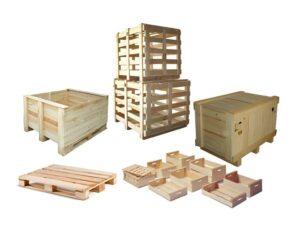
Fumigation is often mandatory for cargo destined to Australia, New Zealand, the USA, China, and the EU, especially when shipping agricultural products, wooden packaging, or bulk grain.
🔧 Types of Fumigation for Ships
1. Cargo Hold Fumigation
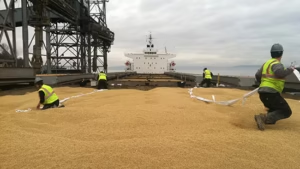
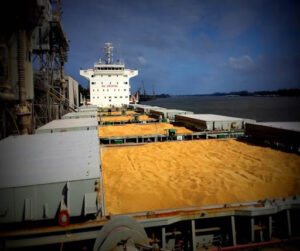
Used to treat bulk cargo like grain, rice, maize, and pulses directly in the vessel’s hold. Common fumigants: Aluminum Phosphide or Magnesium Phosphide.
2. Container Fumigation
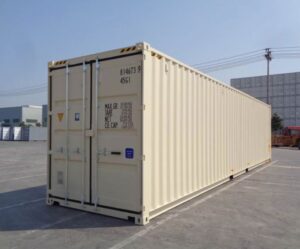
Applies to 20ft and 40ft containers loaded with goods such as timber, textiles, or food products. Fumigation is done either:
- Before stuffing (pre-fumigation)
- After stuffing (full-container fumigation)
3. Structural Fumigation
Targets pests hidden within the vessel’s infrastructure, such as cabins, food storage, galleys, and void spaces. Ideal for cruise ships, offshore vessels, and live-on-board ships.
Common Pests Targeted by Fumigation
- Grain weevils
- Moths and beetles
- Termites
- Rodents (rats and mice)
- Cockroaches
- Stored product insects (SPIs)
Benefits of Vessel Fumigation
- ✔️ Prevents cargo damage and financial losses
- ✔️ Ensures international trade compliance (ISPM 15, AQIS, USDA)
- ✔️ Reduces infestation risks on long voyages
- ✔️ Protects against port fines or cargo rejections
- ✔️ Maintains hygiene for crew and vessel occupants
📋 The Fumigation Process: Step-by-Step
1. Inspection & Assessment
Cargo and vessel spaces are inspected to determine infestation level and suitable fumigant.
2. Preparation
The area is sealed off, warning signs placed, and crew evacuated if necessary.
3. Fumigant Application
Certified fumigators release gas (e.g., phosphine or methyl bromide) into sealed areas.
4. Exposure Period
The fumigant is left for a designated period, typically 24 to 72 hours depending on gas type, temperature, and infestation level.
5. Ventilation
After treatment, spaces are properly aerated using blowers or natural ventilation to ensure gas levels fall within safe limits.
6. Clearance & Certification
Gas levels are tested, and the vessel is cleared. A fumigation certificate is issued for customs and port authorities.
⚙️ Safety Measures During Fumigation
- Use of Personal Protective Equipment (PPE) by fumigation crew
- Sealing of cargo spaces to prevent leaks
- Proper signage and restricted access zones
- Gas monitoring before re-entry
- Emergency response plans in place
📄 Fumigation Certification & Documentation
After successful treatment, the following documents are usually provided:
- Fumigation Certificate
- Gas Free Certificate
- Safety Data Sheet (SDS)
- Declaration for Port Authorities & Customs
These documents are essential for clearance at the destination port.
🌐 Compliance with International Standards
At Varam Integrated Corporation, we follow global regulations, including:
- ISPM 15 (for wood packaging material)
- IMO guidelines for fumigation on board ships
- National Plant Protection Organization (NPPO) requirements
- Port authority fumigation protocols in major global ports
📞 Need Reliable Vessel Fumigation Services?
Whether you need fumigation at berth, anchorage, or on the high seas, our licensed team at VARAM Integrated Corporation provides fast, safe, and fully compliant fumigation services at all major ports.
✔️ 24/7 Availability
✔️ Certified Fumigators
✔️ International Coverage
✔️ Competitive Pricing
Contact us today to request a quote or schedule a fumigation service.